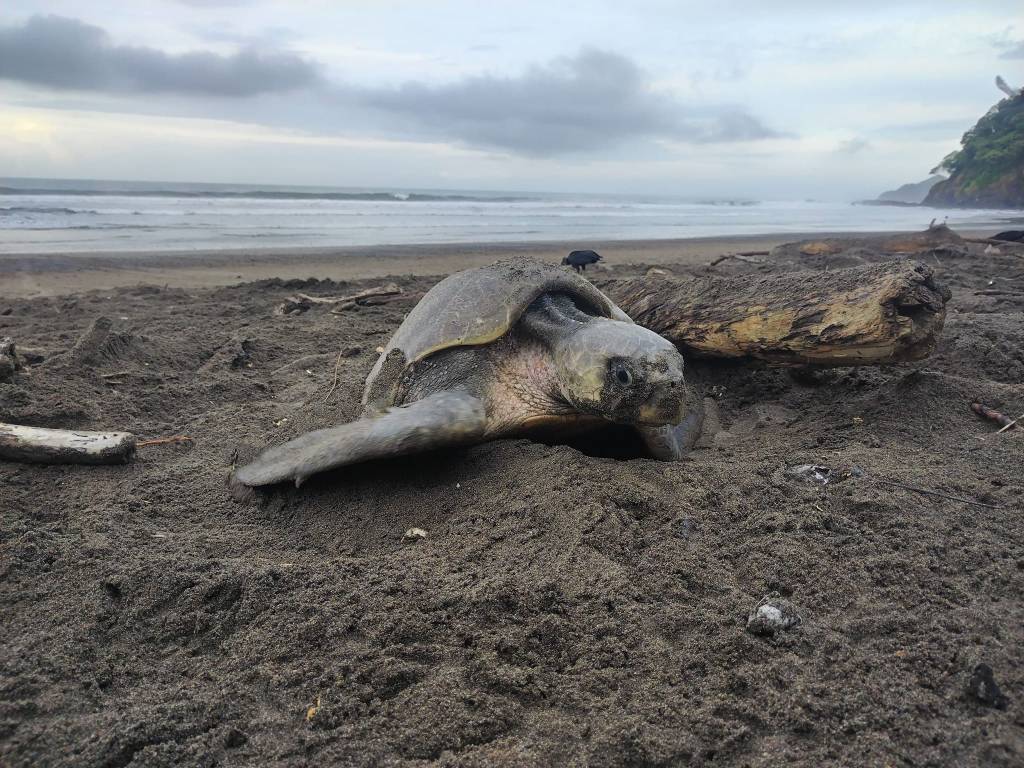
A Vital Conservation Effort
Corozalito, a small coastal community in Guanacaste, Costa Rica, is home to one of the most important nesting sites for sea turtles in the country. Every year, endangered sea turtles, including the Olive Ridley and Green turtles, return to the shores of Playa Corozalito to lay their eggs. Protecting these marine creatures is a priority for the community, and two key organizations are leading their charge: The Centro de Rescate de Especies Marinas Amenazadas (CREMA) and the Asociación de Desarrollo Integral (ADI) de Corozalito.
CREMA: Science-Driven Conservation
CREMA is a Costa Rican NGO dedicated to marine species conservation, with a particular focus on sea turtles. Since 2008, CREMA has operated a sea turtle conservation program in Corozalito, conducting research, protecting nesting sites, and educating both locals and visitors about the importance of sea turtle conservation. Their work includes nightly beach patrols where trained staff and volunteers monitor the beach during nesting season, collecting data, relocating at-risk nests to protected hatcheries, and preventing poaching. Scientific research conducted by CREMA gathers vital information on nesting trends, climate change effects on hatching success, and the impact of human activities on turtle populations. The organization also works with local schools and businesses to raise awareness about conservation and responsible tourism. Sustainable tourism initiatives encourage visitors to participate in turtle-watching tours that follow strict guidelines to ensure minimal disruption to nesting turtles. CREMA’s presence in Corozalito has greatly contributed to the survival of sea turtles, but conservation is a community-wide effort.
The Role of ADI Corozalito in Conservation
In addition to CREMA, the Asociación de Desarrollo Integral (ADI) de Corozalito has taken a proactive role in turtle conservation. The ADI, formed in 2023, is responsible for implementing environmental initiatives that benefit both the community and its natural resources. Their contributions to sea turtle conservation include the nighttime beach volunteer program, a community-led initiative where locals patrol the beach, assisting in guiding tourists, educating visitors on responsible behavior, and ensuring conservation rules are followed. The ADI also organizes fundraising and awareness campaigns to support conservation projects and maintain Playa Corozalito’s Bandera Azul Ecológica status, a recognition for sustainable environmental management. The ADI and CREMA work together to improve conservation strategies, share data, and strengthen protection efforts.
Challenges in Conservation
Despite these efforts, turtle conservation in Corozalito faces several challenges. Climate change is an increasing concern, as rising temperatures affect the sand’s heat levels, impacting hatchling survival rates. Human interference also threatens conservation efforts with artificial lighting disturbing nesting sites and poachers stealing entire nests worth of eggs to be sold on the black market for consumption. Limited resources further complicate these efforts, as both CREMA and the ADI rely on grants, donations, and community participation to sustain their work.
How You Can Help
Whether you are a visitor or a local resident, there are several ways you can contribute to turtle conservation in Corozalito. Volunteering with CREMA or ADI’s programs allows individuals to take part in beach patrols and assist in protecting nesting turtles. Responsible tourism is another key aspect, as visitors should use red-filtered flashlights, keep a safe distance from turtles, and avoid disturbing nests. Supporting conservation initiatives through donations or participation in ADI’s fundraising events can also make a significant impact. Lastly, raising awareness by sharing the importance of sea turtle conservation with fellow travelers and community members helps build a more informed and engaged public.
 Visit Corozalito
Leave a comment